
By Alex R. Morgan · Published 2026-06-18 · Updated 2026-07-29 · 10 min read
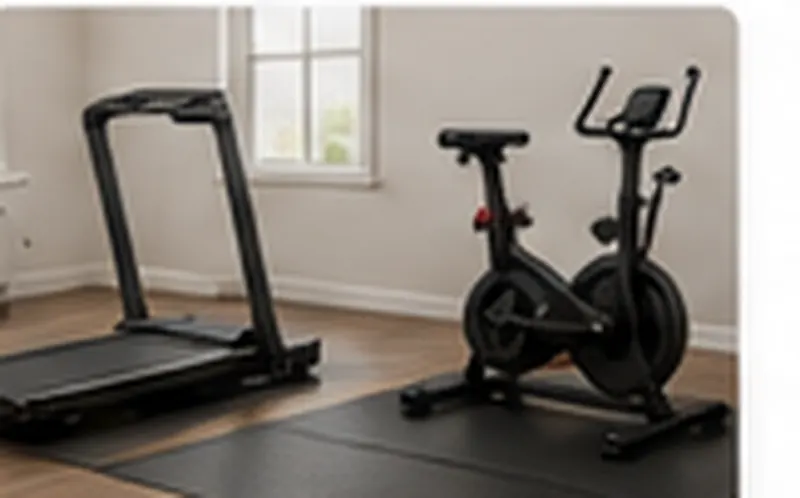
“Compact” can mean narrow, short, foldable, lightweight or easy to roll. Measure the machine in use, not only when stored.
Bottom line
There is no single compact winner. A foldable bike is usually easiest to live with, a walking pad is lowest in profile, a stepper is smallest, and a folding rower offers broader body involvement but needs long operating space.
At-a-glance comparison
| Factor | Option A | Option B |
|---|---|---|
| Foldable bike | Small operating footprint | Seated cardio; check stability and fit |
| Walking pad | Low profile | Needs long clear floor and safe speed limits |
| Compact stepper | Very small | Short stride and basic movement |
| Folding rower | Long during use | May stand upright for storage |
| Mini elliptical | Can fit under a desk | Stride and resistance are limited |
How to decide
Start with the limits that cannot easily be changed: room dimensions, ceiling height, floor construction, storage location and delivery access. Then compare the movements you actually expect to perform, the adjustment steps you are willing to manage and the amount of routine care the equipment requires.
Product names are not standardized internationally. Two machines in the same category can differ greatly in dimensions, resistance range, adjustment, warranty and intended use. Compare the manufacturer’s specifications for the exact model available in your country.
Advantages and drawbacks
Option A: strengths
- Several formats fit multipurpose rooms
- Lower-cost options exist
- Many models use transport wheels
Limitations
- “Foldable” does not mean light
- Small frames may reduce stability
- Marketing dimensions can omit movement clearance
Option B: strengths
- Planning by actual dimensions avoids surprises
- A mat can protect floors and reduce vibration
- Vertical storage may free floor area
Limitations
- Storage setup can become a daily chore
- Some machines cannot be stored vertically
- Doorways and stairs complicate delivery
Space, noise and flooring
Measure the operating footprint rather than only the stored dimensions. Include moving parts, your own stance or stride, safe access around the machine and the path needed to bring it into the room. Dense equipment mats can protect flooring and reduce some vibration, but they cannot eliminate structural noise transmitted through walls and floors.
For heavy equipment, upper floors or uncertain structures, seek qualified advice before installation. Do not block exits, heating equipment, electrical panels or required building access.
Cost and long-term ownership
The purchase price is only one part of cost. Consider delivery, assembly, floor protection, replacement wear parts, batteries or electricity, lubrication where required and the likelihood that the equipment will remain useful as your routine changes. A simpler item used consistently can offer better value than a feature-heavy machine that is awkward to set up.
Safety and fit checks before purchase
- Confirm user-height and user-weight limits for the exact model.
- Read assembly, clearance, flooring and storage instructions.
- Inspect locks, selectors, pins, cables, bands and fasteners before use.
- Stop using equipment that is damaged, unstable or behaving unusually.
- Seek qualified medical guidance when pain, injury, balance problems or a health condition affects exercise decisions.
Frequently asked questions
What should I measure?
Measure width, operating length, user step-up height, moving-handle clearance, power-cord route and the path from delivery door to final location.
Are walking pads the same as treadmills?
They are a low-profile treadmill category with different speed, handrail and control designs. Follow the specific product’s intended use.
Can a rower be stored upright?
Only when the manufacturer permits it. Water tanks, rails and frames may have specific storage instructions.